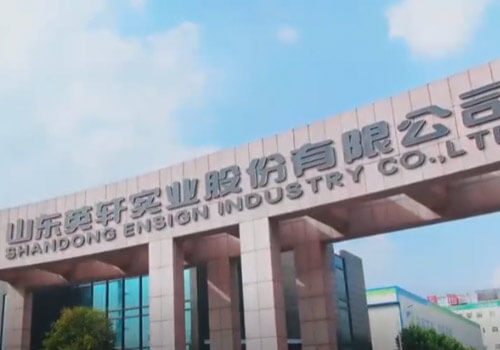
Shandong Ensign Industry Co., Ltd. Address
Every day, at our production site in Shandong, decisions ripple from our address across global supply networks, bulk carriers, regulatory channels, and customer trust lines. Few people outside the chemical trade realize just how central a manufacturer’s physical address becomes to the realities of large-scale supply, regulatory inspection, and partnership-building. The specific location of a factory or company headquarters decides much about how quickly a shipment moves, how securely we manage risk, and how we build sustainable relationships with clients worldwide.Purchasing managers, logistic coordinators, and compliance officers understand the pivotal role played by a reliable address. A chemical plant’s address shapes the entire conversation—especially for direct importers, manufacturers needing consistent quality, or researchers seeking partnership. When shipments go out, traceability back to our real location weeds out gray-market confusion and the fraud that shadows resellers who misrepresent true sources. The ground reality: trucks leave only from a legitimate, working site. Customs needs to check documentation matched with an actual place, not an online promise. Our insurance policies, covenant agreements, and regulatory licenses tie back to one real address. Clients, regulators, and transporters look for clear street names and city designations, not ambiguous regional fluff. In chemistry, a misplaced digit or district opens the door to mistaken identity, shipment delays, and compliance headaches.Every batch of citric acid, sodium citrate, or food additive must carry full traceability. Downstream clients expect clear, physical links when they audit their suppliers. Our address anchors chain-of-custody. In Shandong, our safety team, R&D specialists, and management want partners arriving at the right gates, not sent on a wild chase through generic industrial parks. Feedback sessions with major clients have shown repeatedly: direct engagement at our registered address—factory visits, joint audits, in-person contract signings—cements trust and transparency. There’s no substitute for walking a plant’s floors, meeting engineers next to the line, and reviewing stocks in person. That only happens if the listed address maps true to a real, working facility.Statistical records, international certifications, domestic licenses, and industry watchdogs all demand one thing before approval: a verifiable address. Environmental permits, customs declarations, and material safety records bear our physical stamp. During government audits, regulators look for proof of legal operation from that exact plot of land. Wrong addresses mean fines, shipment seizures, or cancellation of export rights. Proper labeling rules hinge on the true manufacturer’s address. Our workflow leaves no room for guesswork: staff update internal records, train new hires, and clarify communication using the complete, officially registered site. We spend months each year updating records with partners to meet the letter of both local and foreign law.Real clients may want more than digital contact: face-to-face meetings, hands-on verification, and on-site technical troubleshooting form the backbone of serious business. Our address isn’t a legal formality—it’s the guarantee that customers can find engineers who understand the plant’s lines, labs that test real samples, and a customer support team who knows the rhythm of the factory’s operations. When a shipment gets delayed, a product change needs discussing, or a third-party inspection must happen, it starts with both sides agreeing on a shared map reference. In competitive industries, reputations rise and fall on the reliability of that kind of access. In recent years, our segment has seen copycats and so-called “paper factories” mislead buyers with fictitious addresses in trade databases and document scans. Clients sometimes lose money, receive off-grade materials, or see their brands damaged by mistaken shipments. A real-world visit—checking not just the gate sign, but the continuous operation, compliance postings, and the movement of raw and finished goods—filters out the bad actors. When deal partners insist on shipping contracts tied to our established site, they protect themselves from fake intermediaries. That helps our whole industry raise its standard, cut down on disputes, and deter criminal activity.Our best advice comes from what we do daily. Buyers should look beyond online databases or unsigned PDF offers. Instead, demand full street-level addresses for every counterparty. Confirm license numbers match official listings for that site. Facilitate, or insist on, factory audits before concluding high-volume deals. Call ahead and verify that the site is staffed, not virtual. Let your own staff visit, and build direct lines with real plant managers and engineers working at that address. The most successful, trouble-free partnerships grow from that kind of practical diligence. As chemical manufacturers, we value transparency. We urge customers old and new to double-check the paper trail all the way to our physical gates—because the credibility of the supply chain starts there.
June 12, 2026