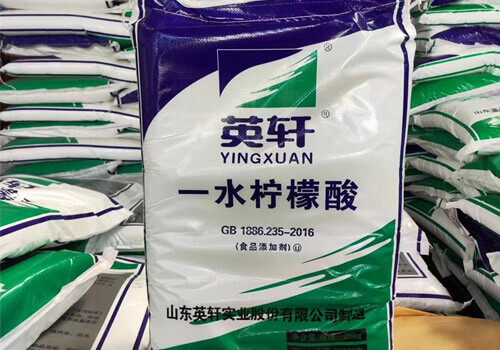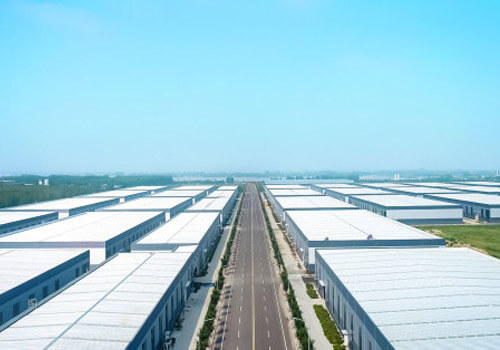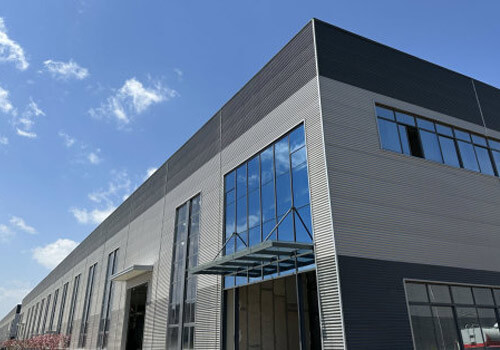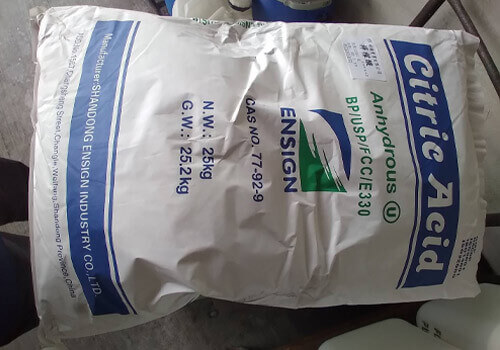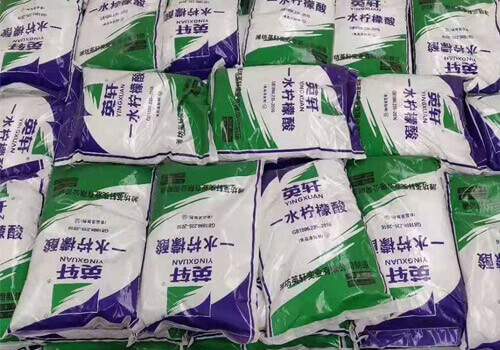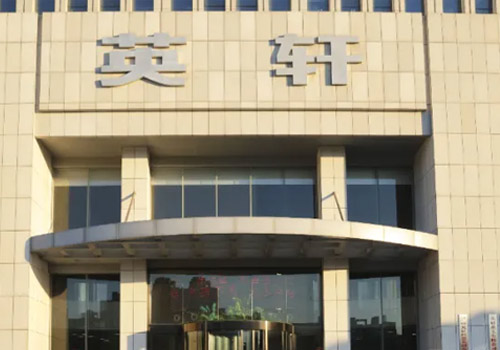
Ensign Industry (H.K.) Co., Limited
The chemical manufacturing field rewards those who remain adaptable, transparent, and deeply connected to their craft. Watching news about Ensign Industry (H.K.) Co., Limited prompts reflection on how production and distribution landscapes continue shifting in China and internationally. Having experienced decades of raw material sourcing challenges, regulatory tides, and shifting global demand, I see that only manufacturers willing to keep tight control of their process and supply lines manage to deliver true, consistent value. Offshore competition, like that posed by firms based in Hong Kong, puts direct pressure on established practices — especially for those of us running our own reactors, designing blends ourselves, and keeping strict oversight from incoming raw materials through finished product inspection.Many news features about chemical suppliers focus on company names, their market promises, and product lists, but not enough dig into the day-to-day realities of running heavy chemical equipment and guaranteeing quality every single batch. As we handle everything from safety audits on the shop floor to negotiating with bulk logistics providers, we know producing a chemical—be it citric acid, CMC, or a specialty phosphate—means more than printing custom labels or drafting a fresh specification. Upstream accountability really matters. Our production technicians regularly maintain process logs, while compliance officers ensure every shipment lines up with regional regulatory mandates, especially with the complexity that comes from exporting to the EU or United States. Checking trace element content, running repeated titration tests, and reviewing certificates of analysis for every single lot all keep our standards clear and our buyers protected. When hearing about operations like Ensign Industry (H.K.) Co., Limited, I pay close attention to how consistently they update their compliance records and what their customers say about technical troubleshooting after the sale—because only genuine producers handle these details directly.Maintaining our own plant means constantly facing global pricing volatility, especially for feedstocks like corn or caustic soda. Importers without their own manufacturing lines can quickly change suppliers in a price war, but anyone who truly manufactures stays tied to substantial sunk costs: reactors, filtration systems, evaporators, and the workforce behind every shift. Firms sourcing from third parties or acting only as intermediaries often lack the basic leverage to guarantee long-term consistency or flexibility in the face of raw material shocks. Over the past year, we’ve faced a mix of logistical disruptions, energy price hikes, and spot shortages of critical inputs, yet kept customer lines open by shifting between suppliers, adjusting batch sizes, and investing in on-site utilities. Reading new announcements about companies like Ensign Industry (H.K.) Co., Limited, I’m reminded that stability in bulk chemicals never comes from contracts alone—it flows from real production capability, staff retention, and close upstream relationships with raw material merchants.Real manufacturing draws its line at quality: not every supplier who lists technical grades of a chemical can ensure sharp control over particle size, unwanted residue, or accurate labeling. We see firsthand the problems that can follow poor batch management—blocked filters, sticky residues in tanks, or shipment delays due to missed quality checks. Over the years, inspectors have caught minor deviations that look insignificant on paper but create costly trouble for downstream users. A robust laboratory set up just meters away from our packing line bridges the gap between process and paperwork. These internal controls far outweigh simple import documentation or third-party certificates. When firms like Ensign Industry (H.K.) Co., Limited receive attention, I pay closer attention to their lab protocols, traceability measures, and audit readiness, knowing regulators worldwide continue to raise expectations for documentation and contaminant monitoring.Sustainability discussions now dominate boardrooms and customer meetings. Running a manufacturing plant in a tightening regulatory climate—whether in Shandong, Rotterdam, or North Carolina—means confronting emissions targets, wastewater standards, and resource efficiency on a daily basis. For years, we dedicated staff to tracking every kilogram of water treated and every exhaust scrubber run, knowing the penalties for lapses can be severe, both reputationally and financially. While global chemical distributors may focus only on paperwork compliance, actual producers directly measure, report, and improve operational impacts. Any serious discussion of a manufacturer like Ensign Industry (H.K.) Co., Limited must account for their record on environmental controls: Are they investing in updated filtration units? Do they publish annual emissions data? How do they handle hazardous waste storage and accident prevention? Our experience reinforces that oversight starts on the ground, not in a distant sales office.The manufacturing mindset means owning every delivery: customers expect precise shipment weights, on-time arrivals, and quick responses to queries about analysis results. Mistakes or delays don’t just harm one sale—they erode trust built over years. We regularly solve last-minute issues, such as freight bottlenecks or changes in lot number requirements, because we control the feedstock sourcing and production schedule directly. Further up the value chain, any break in attention—be it incomplete batch records or a missed retest on a storage tank—shows up where it matters most: in our customers’ hands. Looking at reports about Ensign Industry (H.K.) Co., Limited, I ask where their quality assurance cycle truly resides. Does their team handle product complaints first-hand? Do they trace every shipment back to original process data sheets? These habits distinguish real manufacturers from mere resellers—one group fixes problems at the root, the other can only pass messages along.Remaining competitive in bulk and specialty chemicals never stands still. Our production engineers regularly review updated synthesis methods, efficiency upgrades, and safety rules, knowing each change must function across hundreds of tons of output. Regulatory reviews compel us to invest in process improvements, such as upgrading reactors to reduce residual solvents or experimenting with new enzyme catalysts for better yield and lower environmental impact. Hearing industry news about other companies reminds us that survival and growth revolve around operational excellence, never shortcut or hype. Neighbors and competitors who prioritize transparency and share best practices help elevate everyone’s performance. Old rivalries transform into industry alliances when the real challenge turns to meeting ever-higher global expectations.Calling yourself a manufacturer means committing to every link in the chain, from bulk raw material contracts and plant maintenance to line worker training and laboratory traceability. In years when shipping delays or crop shortfalls disrupt everyone, only those with genuine production capability can adjust, troubleshoot, and guarantee long-term supply. Naming a company isn’t the same as running a plant, just as publishing a technical sheet can’t replace the lived-in expertise of a process engineer making margin calls at two in the morning. Customers and regulators both know the difference. Whenever a company like Ensign Industry (H.K.) Co., Limited enters the spotlight, the conversation deserves to focus on their ground-level systems, not just brand and price. Authentic value, in chemicals as anywhere, grows through hard-won experience, steady investments, and a willingness to improve—batch by batch, year after year.
June 12, 2026