Our News

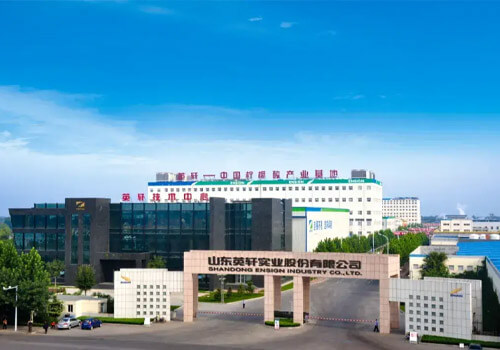
Shandong Ensign Industry Co.,Ltd.

Ensign Industry Participates in Food Ingredients Africa 2026

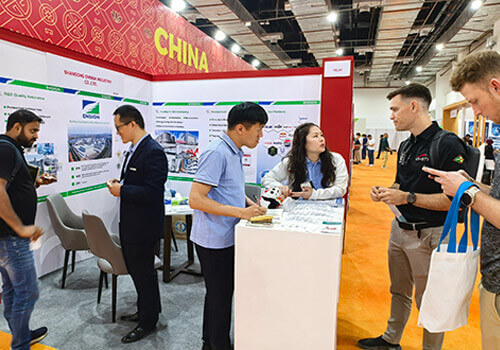
Food Ingredients Africa 2026 grandly kicked off at Cairo International Exhibition Center in Egypt from June 2 to 4, 2026. As a top-tier professional exhibition for food ingredients across Africa, it enjoys extensive influence in the industry. Led by General Manager Li Jian, the core team of Ensign Industry’s International Business Department attended the event and showcased the company’s full product portfolio. The team fully demonstrated the company’s strong R&D capabilities and global brand image to partners in the food and beverage sector.As a premier annual procurement event for the food and beverage manufacturing industry in Egypt and across Africa, this exhibition has gathered core resources from the global food ingredients sector. It covers all industrial chain segments including food additives, natural food ingredients, smart food processing technologies and innovative packaging solutions, featuring comprehensive coverage and high professionalism. It ranks among the largest and most forward-looking professional food exhibitions on the African continent.Since the opening of the exhibition, our booth has drawn numerous new and existing partners from across Africa, thanks to our differentiated product advantages and distinct brand positioning. In-depth business talks have unlocked new potential for regional cooperation and laid a solid foundation for Ensign Industry to further expand its presence in the African market. CONTACT INFORMATIONWebsite:https://www.ensign-citric-acid.comPhone:+8615380400285Email:sales2@liwei-chem.com
June 11, 2026

Shandong Ensign Industry Co.,Ltd.

Shandong Ensign Industry Co., Ltd.

 From the perspective of a fellow chemical manufacturer, watching the journey of Shandong Ensign Industry Co., Ltd. brings up a few important realities about scale, quality, and the pressures that shape today’s supply chains. Producing citric acid and its salts in the volumes they reach takes commitment in infrastructure, technical know-how, and solid systems to ensure consistency. Our own years in the business have taught us that large-scale chemical synthesis does not tolerate shortcuts. Process control tools, advanced reactors, well-trained staff, and clean manufacturing environments aren’t marketing talk — they define the line between a stable, trusted source and an unreliable one. Ensign’s operation covers several million tons per year. To supply partners worldwide without delay, each stage from fermenter upkeep to final drying must run with accuracy. It’s not just a matter of machines but of ingrained habits in the workforce: keeping to routines, catching small deviations early, and focusing attention wherever a process might slip. Reliable output means more than a full order book. It means global customers use the same product batch after batch without costlier re-validations or headaches further downstream.  Manufacturers carry a direct responsibility in environmental compliance and resource efficiency, more so than traders or intermediaries. Ensign’s track record on energy recovery, waste valorization, and water recycling shines a light on what’s possible with persistent investment. Building and running multiple production lines for years brings its own learning curve. If waste streams go unchecked, costs rise and permits fall under threat. We have seen in our own plants how China’s evolving environmental regulations force genuine change: real-time data capture on emissions, third-party audits, and social pressures from surrounding communities. Large companies like Ensign, under continuous scrutiny, need leadership willing to direct funds into both tighter emissions controls and new process platforms. The cost in the short term can be tough. Over time, this work pays off where it matters: authorities trust data, brand reputation holds firm, and customers from food, pharma, and detergent sectors look beyond price per ton and ask about carbon intensity and water impact. More buyers demand proof of lifecycle analysis. If claims can’t be backed, those conversations end fast. It’s not a marketing exercise. Decarbonization isn’t a checkbox; it sits in the nuts and bolts of daily operations and years of discipline.  Food-grade chemicals face the toughest external scrutiny of any materials in the industry. Many manufacturers talk a good game on cleanliness and traceability, but living up to international audits brings a different set of stakes. Let’s be honest: no global food or beverage group brings their business to a newcomer on paperwork alone. What matters most, year in year out, is audit fatigue and the actual boots-on-the-ground ability to pass external checks for FSSC 22000, Kosher, Halal, or pharmaceutical GMP lines. We’ve participated in these audits; inspectors don’t just hover by. They poke into cleaning logs, cross-examine staff, and sometimes arrive without warning. Any slip — a contaminated filter, a misread scale — runs up costs and shakes confidence. Ensign’s persistent investments in process validation and rapid requalification after any adjustments keep these problems at bay. For large orders, whether the end user is bottling soda in Brazil or compounding neutraceuticals in the EU, full traceability right back to every raw ingredient holds weight. Only manufacturers who've built feedback loops with labs, documentation systems that show each operator’s shift input, and robust in-process sampling stand out during these checks. Relying on past reputation means little; daily consistency proves itself through audits that don't tolerate error.  Serving as both a factory and a long-term partner requires more than shipping containers on time. We see in Ensign’s example that scale changes what buyers expect from suppliers. As customer profiles expand — from local beverage producers to multinationals — so do requirements: 24/7 technical support, rapid COA turnaround, and regulatory support for export markets. In actual factory operations, it’s easy for documentation slippage or a breakdown in communications to snowball. Large manufacturers who thrive train sales and tech teams in the nuts and bolts of their process, not just customer service scripts. Our experience shows that responsive plant engineers and lab managers often resolve questions on quality fluctuations or application tweaks faster than general sales teams. This means real troubleshooting, not just apologizing and promising future corrections. Retaining technical memory from order history helps as well; knowing what tweaks or blending runs a specific client has requested over the past few years smooths both planning and trust. In markets rocked by port disruptions or sudden ingredient shortages, the ability to re-route supply, carry reserve stocks, and issue quality statements on demand makes a manufacturer indispensable. That comes from factories that invest in both raw material reserves and a deep, stable technical base among staff.  Every manufacturer in bulk chemicals faces constant margin pressure—raw materials, energy costs, labor volatility. Companies like Ensign must prove year after year they deserve a place in an aggressive, price-driven market. We see, through our own price negotiations with food and industry buyers, that large contracts often hang on cents per kilogram. Some clients use local or regional safety stocks to hedge against disruption; others drive negotiations harder, dropping suppliers at the sign of instability or variable product. Manufacturers must optimize their fermentation yields, utility consumption, enzyme utilization, and logistics chains—not just tinker around the edges. Lean management and automation go hand in hand with consistent operator routines. High output only delivers growth if cost control holds steady, certification lapses are rare, and each ton meets spec. Downstream, global commodity volatility brings regular stress tests. Plants that scale too fast or ignore constant maintenance end up in crisis when a sudden inspection or a logistics bottleneck hits. The ability to export at scale into every major region shows a maturity in freight management, diplomacy in customs documentation, and trust with local partners or subsidiaries. These realities set apart sustained manufacturers from the well-meaning but ultimately fragile new entrants in the market.  Ultimately, real manufacturers carry accountability through every ton delivered and every audit survived. Global acidulant suppliers like Ensign keep their buyers and market share because their production runs match both volume and control on a demanding global stage. The strongest companies never stop questioning last month’s numbers, push for sharper yields, and refine processes for both environmental and economic sense. As manufacturers, we respect competitors who don’t just talk up compliance but show it in daily operations—and who invest in both people and plant for years on end. That focus, lived out under the scrutiny of buyers and regulators around the world, drives the market toward safer, leaner, and more sustainable chemistry. CONTACT INFORMATIONWebsite:https://www.ensign-citric-acid.comPhone:+8615380400285Email:sales2@liwei-chem.com
June 12, 2026

Shandong Ensign Industry Co.,Ltd.

Ensign Holdings Group Co., Ltd.

Ensign Holdings Group has been a household name in the chemical industry for years. Working on the production floor, a person quickly learns how the group approaches both tradition and modern market pressures. In manufacturing, expectations sit at the intersection of stability, consistency, and rapid innovation. Every batch of citric acid, sodium citrate, or other fine chemical demands not just technical know-how but deep discipline. From the start of a product run to the final inspection, each step builds on a culture formed by years of hands-on labor and continuous improvement. Staff undergo rigorous training, not just in safety and quality systems, but in understanding why one small change in processing limits can mean a tractor trailer of unusable end-product. In our line of work, details matter and shortcuts never cut costs in the long run.Recent years have brought wild fluctuations in raw material availability and pricing. Dependence on agricultural inputs, shifts in international supply chains, and weather disasters create ripple effects that show up in every sack and drum we turn out. Our teams don’t handle speculation—they focus on what crops look like, how river transport holds up, and which suppliers consistently deliver under pressure. Some companies flip between suppliers based on price, but that kind of movement rarely works for those of us responsible for production uptime and product stability. We build relationships with growers and logistics firms that run decades deep to hedge against bottle necks, not to mention the value of knowing who picks up the phone at midnight if a shipment delays. Knowledge about maize output in a single small region can change the operating tempo of an entire plant. For managers and floor workers alike, this is not just about numbers. It is a daily reality that shapes overtime, raw material allocations, and even the family lives of people working here.Manufacturers like us see environmental discussions up close, not from regulatory paperwork but from tanks, effluent monitoring points, and the noise of process lines ramping up. Facility improvements don’t spring out of social responsibility statements. They emerge from years of watching stacks and effluent lines, filing detailed logs, and facing the tough reality: reducing emissions and wastewater means investment, retraining, and plenty of learning from mistakes. Engineers, operators, and line supervisors often debate better ways to recover solvents or process organics, not to score ESG points, but because local governments and our own workers live with those outcomes. Community air and water matter most to people who spend careers around the plant, whose homes are in view of our stacks. The tension between keeping costs competitive and pushing ever cleaner operations never lets up, but ignoring either side proves fatal over time. We take pride in progress, but never turn our backs to the challenge still ahead.Any producer can talk about certificates and audits. Actual consistency grows from hard-won experience and repeated audits of our own lines, testing and re-testing batches to verify results. A manager once summed it up: ‘You’re only as good as your worst lot.’ That line stays true. The benefits from robust in-house labs show up in reduced customer complaints and the confidence that a customer will get the same outcome in their product whether the delivery left the gate this week or last year. When challenges arise—and they do, even at the biggest producers—leaning on direct technical support, troubleshooting from the processing crew, and honest evaluation turns setbacks into future improvements. Some issues only show up after months of storage and logistics, so direct manufacturer feedback loops don’t work unless you’re ready to listen and act relentlessly.End-user demands get more specific every year. We see the technical requests and shifting standards firsthand. Every specification sheet or additional analytical test translates into extra checks, new sampling techniques, and retraining on the floor. One customer’s new purity threshold means the slight process tweak might have ripple effects through the entire line. Plant upgrades require capital and downtime, neither of which grow on trees. But failing to upgrade puts contracts and market share at risk. The pressure isn’t hypothetical—it’s a daily tension that shapes team meetings, bonus schemes, and recruitment for years at a time. Contract manufacturing, tolling, and tailored batches put our technology and people to the test. The only way to win that test: real communication across teams, direct engagement with end users, and a willingness to scrap outdated practices when customer requirements evolve.Frontline staff carry more insight than any outside consultant can ever gather. Many team leaders started as helpers or operators. Retaining practical talent requires more than raising base wages; it means building a sense of community, trust, and opportunity for advancement. Regular technical upskilling happens in the plant, but informal learning—tips shared at lineup, tricks spotted during shift overlap—carries equal weight. The best recipe for innovation often comes not from sprawling research budgets, but from listening to the person who sees equipment quirks every single day. In our experience, pushing for performance without providing support burns out good people fast. Lasting success combines strong technical training, open dialogue, and constant respect for the people who drive production forward shift after shift.Trade wars, evolving regulations, and climate shifts land directly on our operational plans. Global headlines drive local decisions in surprisingly short order. We can’t predict every market twist, but readiness for change forms the backbone of our survival. Flexible batch scheduling, live monitoring of inventories, and steady upgrades to lab equipment allow us to adapt at pace. Cross-functional teams parse new regulatory rules, while commercial teams chase both expanding and tightening customer lists. Each season introduces risks—from price shocks to new testing thresholds for export. The commitment to learning and improvement means the group remains ready to weather both opportunity and downturn. Hands-on focus, technical rigor, and a willingness to admit mistakes help carry us through not just growth years, but also those rough quarters every manufacturer faces.

June 12, 2026

Shandong Ensign Industry Co.,Ltd.

Ensign Heavy Industries Co., Ltd.

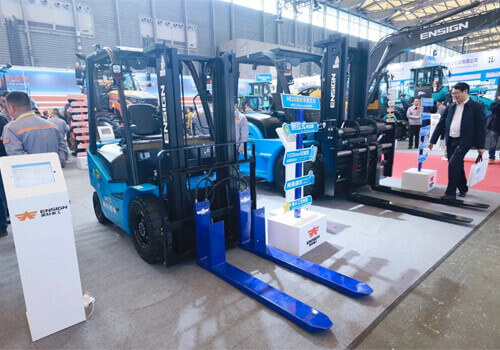
Operating our own chemical manufacturing sites, we inevitably notice when a name like Ensign Heavy Industries gains ground and turns heads, especially across Asia. In recent years, the company has scaled up production capacities and struck new partnerships across infrastructure, engineering machinery, and industrial chemicals. Each move affects the wider market and sets benchmarks for capital and technology investment. We see this from both procurement and customer relationship angles. Suppliers vie for contracts that underpin plant expansions. Downstream buyers look for reliable deliveries during project booms. Massive capacity launches shake up supply chains from raw materials—like caustic soda—right to the specialty intermediates that keep paints, plastics, and construction rolling. Strategic expansion brings risks, especially in sectors with cyclical demand and fierce price competition. Our experience has taught us that real growth hinges on vertical integration and a willingness to invest in specialized process design. Not every headline-grabbing deal or ribbon-cutting translates into sustainable business. During past upcycles, companies that spread too thin ended up trimming lines or renegotiating contracts with a loss. Others rode a volume wave only to suffer when markets saturated. Maintaining a focus on core expertise—whether it is chlorine chemistry, advanced catalysts, or polymer process control—has proved more resilient, especially during downturns. This has played out time and again, well beyond glossy brochures and trade show floors.Ensign’s expansion highlights tough questions about how industry tackles emissions, effluent management, and product end-of-life. These issues resonate for any manufacturer still engaged with hard chemistry—not just paper targets. For those of us managing reactors and output streams daily, pollution control costs stack up quickly. Scrubbing technology, solvent recovery, and wastewater treatment all need investment that hits operating margins. Environmental regulators no longer accept token gestures or outdated reporting. In our region, local community feedback has driven significant upgrades; negative press about one site can overshadow entire market segments. Looking at Ensign’s scale raises critical points on adapting legacy facilities versus rolling out modular, high-efficiency units from scratch. Over decades, we have found that investing early in robust emissions controls saves more in long-term compliance than retrofitting under pressure. Collaborative relationships with equipment suppliers and third-party auditors have unlocked ways to meet regulatory challenges with fewer disruptions. Up-and-coming firms often treat sustainability as a checklist, but it quickly becomes a core requirement when selling internationally or targeting premium buyers. We frequently share our own process data, both with regulators and partners, to show ongoing progress, not just meeting the basic floor but demonstrating leadership that wins project tenders.Ramp-ups at companies like Ensign force all manufacturers to re-examine their own resilience to logistics shocks and price swings. During global resin shortages and surges in shipping rates, the competitive edge did not come from the lowest bid but from established supplier relationships and logistics teams willing to hustle to secure inventory. The ability to track shipments, respond to force majeure events, and adjust purchasing strategies separated steady producers from those who missed deliveries. We have learned that localizing critical inputs—especially those with volatile tariffs or long customs clearance times—reduces vulnerability. In years when global prices spiked, long-standing contracts provided us an anchor. At the same time, over-reliance on a single upstream or downstream partner can prove risky when big players scale up or down, unpredictably shifting allocation.Finding and retaining technically skilled operators and engineers matters even more as process lines grow in complexity. We have invested heavily in in-house training, safety culture, and automation. The challenge is not just hiring smart graduates but keeping the team engaged, addressing turnover, and growing specialized expertise. Big investments—whether in batch optimization or lab instrumentation—pay off only if the workforce is upskilled to match. We have adopted real-world mentorship and hands-on troubleshooting to cut downtime and uphold production standards. Headline numbers about new jobs tell just one part of the story; retention, career growth, and knowledge transfer underpin reliable capacity.A visible expansion like Ensign’s ripples through customer expectations. Large-scale players set new benchmarks for on-time delivery, on-site technical support, and value-added service—with buyers expecting similar attention from all suppliers. Complaint handling, flexible packaging, and documentation that speeds up customs are now front-line requirements, not extras. We have adapted by dedicating more resources to pre-sale technical analysis and logistics support, reducing order lead times, and allowing for customization where it matters. Working closely with users on application trials, troubleshooting, and process audits gives us leverage over low-cost producers who look for shortcuts.Having a direct stake in production also means that transparency is non-negotiable. Shipping documents must align with real product qualities, shelf-life claims must match reality, and every promise on lot traceability sees scrutiny under import controls. Over-promising—especially on new product launches—can cause more harm than the revenue uplift. Our own experience taught us to pilot innovations in close partnership with users, iterate quickly on real feedback, and pull the plug on slow movers to keep focus on proven winners.Market consolidation shapes the landscape just as much as any single player’s expansion. As firms like Ensign bundle more product and engineering lines, the competition squeezes smaller and mid-sized plants. Survival comes down to efficiency—extracting more value from every raw material ton, optimizing process yields, and constantly finding ways to cut rework or energy waste. We have achieved gains through digital monitoring, staged process improvements, and integrating cross-functional teams—breaking silos between labs, production, and procurement. Being able to retool lines for novel customer requests without weeks of downtime has won repeat business, even against volume leaders.Capacity headlines make noise, but the grind of daily operations—predictive maintenance, detailed batch tracking, proactive waste minimization—secures real market reputation. Staying true to a manufacturing core, engaging transparently with clients and regulators, and investing in both equipment and people keep growth grounded and sustainable, even with giants expanding next door. As industry cycles through another phase of competition, the hardest lessons remain the most practical—serve customers better, drive operational discipline, and never lose sight of technical detail or safety. Experience reminds us: reputation and resilience matter just as much as raw scale.

June 12, 2026

Shandong Ensign Industry Co.,Ltd.

Weifang Ensign Industry Co., Ltd.

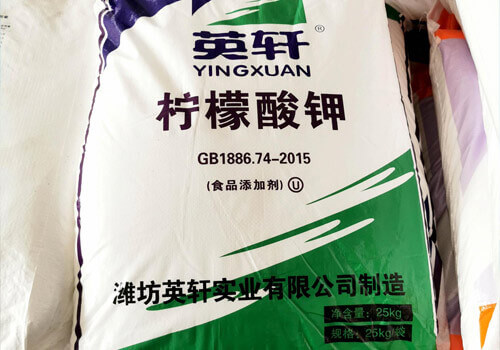
Working in chemical manufacturing for decades, I've seen how the choices made by large producers like Weifang Ensign Industry shape how others operate, from sourcing raw materials to adjusting to market shocks. Ensign stands out for its scale and vertical integration, running an operation that doesn’t just assemble products—it controls fermentation, refining, and logistics all within its perimeter. This type of control brings some stability, but it also introduces unique pressures that ripple through the rest of the industry. For instance, large manufacturers with robust capital outlays frequently influence prices for everything from citric acid to starch derivatives. When they ramp up production or tweak process efficiency, those choices push competitors to invest in similar improvements. In my own work, every project must measure not only compliance with quality benchmarks, but also real productivity compared to major players. This competitive drive accelerates innovation, yet also creates challenges for smaller manufacturers who can't afford the same infrastructure. China’s rise as the dominant exporter in core chemicals such as citric acid changed regional markets. Watching how Weifang Ensign built out new facilities and responded with agility to labor and energy policy fluctuations has taught manufacturers everywhere a few lessons. Practices like real-time monitoring of fermentation environments and targeted waste reclamation cut costs and improved reliability. Once that bar got raised, buyers stopped tolerating inconsistent quality, even from established brands. Downstream partners now demand the full paper trail on every batch: traceable feedstocks, environmental audit trails, accident records. This transparency follows not just regulation, but new purchasing habits in response to consumer scrutiny. These shifts have forced suppliers of auxiliary chemicals and bulk commodities to invest in better traceability and safety controls, or risk being sidelined in specialized sourcing campaigns. There’s an almost universal pressure to marry batch output with digital recordkeeping and AI-based diagnostics. The days of neglecting environmental impact are over. Weifang Ensign’s investment in water recirculation, energy integration, and less hazardous process chemistry sets a benchmark that nobody in the sector can ignore. Watching the regulatory heat turn up over the last ten years, I’ve seen risk management become a daily task, not an annual box-check. When large facilities invest in closed-loop utilities or convert production lines to reduce waste, the effect is contagious. Competitors must review their own operations, weigh out the costs of upgrades, and often undertake similar projects or risk regulatory penalties and tough audits from international partners. Environmental stewardship used to be a talking point; now it’s a matter of survival. Local governments increasingly align with global standards, so companies still using outdated systems soon find themselves with export restrictions or fines. Even inside our own gates, engineers discuss not just throughput and yield, but how many megawatts saved, how much COD slashed, and whether the new scrubbers are hitting spec. Global events like pandemics and logistics disruptions hit supply chains hard at every level. In the last few years, watching Weifang Ensign respond by adapting logistics contracts, stockpiling critical intermediates, and maintaining steady relationships with rail and shipping partners has set important lessons. Chemical manufacturing isn’t just about the formula—it’s about keeping products moving, year-round, without breakage, taint, or excessive cost. To mimic this resilience, we had to review everything from warehouse humidity records to long-term freight agreements. Solid forecasting and secure sourcing meant we absorbed raw material shocks more easily. This holistic approach has led to more integrated conversations between purchasing, production, and shipping, forcing us to weigh risk at every stage, not just at dispatch. The need to communicate clearly with contract carriers, customs agents, and even pier supervisors has grown into a daily challenge. The margin for error is thin when clients expect cargo on precise schedules—there's little patience left for the old “supply chain surprises.” Reputation in chemical manufacturing hinges on more than technical data. Buyers—whether beverage formulators, household product giants, or pharmaceutical processors—scrutinize the full story: workplace safety, adherence to fair labor, disclosure of byproducts, and corrective actions logged after any nonconformity. Weifang Ensign’s early certification under food-grade and pharma GMP pushed everyone to comply or lose customers. These choices forced my own team to upgrade not only lab instrumentation, but also retrain operators to understand root-cause investigations, proper documentation, and what constitutes a “clean” production run. There’s no relaxing of vigilance: auditors walk the floor, check logs, interview staff at random. Real compliance comes not from paperwork, but from ingrained daily routines—the unseen discipline that buyers now expect as the default. Continuous improvement defines modern chemical manufacturing as well. Labs and engineering teams must now deliver not just cost savings, but insight. We prototype new catalytic steps, test fermentation yields across multiple feedstocks, and archive enormous production datasets. When a standout performer like Weifang Ensign increases titer through bioengineering or optimizes downstream separation, it prompts others to innovate or fade. The work stretches beyond the lab: shop floor training, lean maintenance, and tight cross-department communication curb downtime and waste, not just errors on the HPLC readout. This push for insight allows process data to shape capital investments, batch scale-ups, and even packaging methods. I have seen firsthand how different outcomes look when management listens to experiences from operators, salespeople, and lab techs—those closest to the day-to-day grind. Energy cost, emissions, and waste treatment all weigh on the balance sheets more than ever. In recent years, Weifang Ensign made strides in energy capture and process redesign. This nudge sent waves through regional supply chains, prompting even smaller outfits to revisit their own energy intensity. Watching these investments in better carbon reduction tools and advanced recycling systems become the industry norm, it’s clear that nobody stands still. Rather than dreading new regulations, many now view energy and water savings as real inputs into pricing models, risk assessments, and brand reputation. Everyone in the sector faces the tension between capital constraints and the need to meet rising expectations from regulators, buyers, and the communities where plants operate. Sharing energy audits, process water results, and best practice circles with competitors has become more common, because everyone shares the same regulatory scrutiny at the border or on the next international tender. In short, the progress at Weifang Ensign Industry Co., Ltd. illustrates both the opportunities and pressures within the chemical manufacturing world. The company’s scale acts as a benchmark, pushing competitors to invest in smarter processes, greener production, and more transparent supply chains. From the shop floor to the boardroom, everyone must focus on reliability, safety, and traceability. The sector’s future will turn on who can produce consistently high-quality chemicals, minimize environmental footprint, and pivot quickly in times of disruption—all while maintaining trust up and down the supply chain. The story of large manufacturers like Ensign sets expectations higher, and the rest of the industry must rise to meet them, learning each day what it takes to blend tradition with constant reinvention. CONTACT INFORMATIONWebsite:https://www.ensign-citric-acid.comPhone:+8615380400285Email:sales2@liwei-chem.com
June 12, 2026

Shandong Ensign Industry Co.,Ltd.

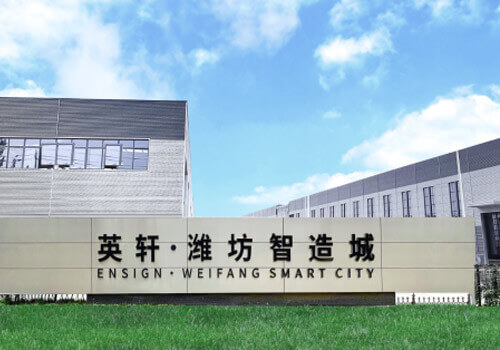
Ensign·Weifang Smart City

We’ve been manufacturing chemicals in Weifang for many years, watching the city change and grow as technology slowly made its way into every corner of industry. The buzz about Ensign·Weifang Smart City crosses our desks regularly, but for us on the production floor, talk of digitization takes on a practical shape: how to run a chemical plant more safely, efficiently, and sustainably while still delivering high-quality products. Smart city initiatives turn abstract concepts into daily realities. Everything from real-time monitoring of emissions to automated delivery of raw materials gains new traction. Environmental protection moves from a box to check off, to a set of data dashboards tracking emissions second by second—not to satisfy a report, but to help technicians avoid accidents, cut waste, and trim costs. Workers use cloud-based systems to log samples, confirm shipments, and coordinate maintenance tasks. Managers get alerts on their phones if energy use spikes or a sensor trips. The city’s fiber-optic backbone and government software integrate with our own, so compliance checks become nearly automatic, saving our people hours of paperwork each week and letting them focus on making sure every batch meets tight quality specs.In the old days, transporting chemicals depended on a patchwork of phone calls and truck schedules. Every missed delivery could throw off a downstream process, with high costs or safety issues attached. Smart logistics, built into Weifang’s city-wide platform, give us live maps of truck locations, digital documentation, and predictive arrival windows. If a drum of solvent leaves the warehouse, we know where it stands, the condition it stays in, and when it will reach the site. Sensors monitor cargo temperatures, letting us stop a load before it overheats or leaks. Years ago, a spill meant confusion and scrambling for the necessary response. Now, digital integration with local emergency services cuts time and makes response direct. This means fewer disruptions and less risk to workers and the community. The reliability helps us keep our production lines humming, reduces downtime, and even improves trust with our customers.Smart city infrastructure depends on people just as much as technology. Our employees may start their day reviewing safety alerts or process changes that come straight from a digital dashboard. The move from paper logs to electronic records is a real shift. Technicians and shift leaders now run inspections by scanning QR codes, logging temperature or pH on a tablet that syncs with our in-house cloud system. Young workers adapt quickly, but for those who learned their trade before everything was connected, there’s a learning curve. We put a lot of effort into staff training, not because it’s required, but because digital systems only work if everyone trusts and understands them. Digital tools can feel intimidating, or like oversight rather than help, but as they cut down on repetitive paperwork, workers see the value in time saved and errors avoided. More data means we can target safety training better, spot small issues before they grow, and reward good performance based on real results, not just anecdotes.Raw materials, like citric acid or sodium citrate, move through global supply chains with uncertain visibility. Smart city tech knits these flows together. We tie into blockchain-based traceability platforms that help document raw material origins, transit temperatures, handling records, and certifications. In the past, a batch might arrive with its source a mystery and paperwork trailing days behind. A smart city system flags each transaction and shows the audit trail nearly instantly. If a quality problem surfaces, we trace it back within hours, not weeks, isolating bad batches and notifying customers before any product leaves the door. Our QA staff now rely on shared city resources for lab verification and compliance checking. This integration keeps us ahead of regulatory shifts and customer audits. Customers look for traceability in every step, not just a sticker on a drum, and our smart tools help us deliver this reassurance.Energy always eats into margins in chemical manufacturing. As part of the Ensign·Weifang Smart City project, we installed more meters, upgraded to real-time monitoring, and began sharing energy data with city systems. Each process, from fermentation to drying, gets scrutinized. Our engineers spot trends and root out inefficiencies sooner. Dynamic pricing incentives from the power grid let us shift non-critical steps to off-peak hours, cutting our bills and helping smooth city demand. Environmental data gets shared with regulators and neighbors in near real-time. Emissions, wastewater discharge, and waste heat all stay within tighter limits because the system can catch deviations before they become breaches. For a manufacturer, trust with the community rests on transparency and consistent compliance. Being able to post our data openly—knowing it’s reliable—makes it easier to answer concerns or collaborate on improvements, rather than just responding to complaints.Smart cities create unexpected opportunities for cooperation across industries. We joined up with several local firms on shared water treatment projects—our concentrated waste streams provide valuable input for another company’s process, cutting waste for both sides. Shared data on environmental impact or logistics costs sparks new ideas for efficiency or product development. When universities bring students in for internships, digital reporting and smart lab integrations mean they can participate in live projects, not just watch from the sidelines. This helps us attract and keep technical talent in Weifang, a challenge for manufacturers everywhere. As more suppliers join the digital ecosystem, onboarding gets smoother. Contracts, sample requests, and payment processing ride digital rails. The overall business climate improves: less friction, more trust, and a sense that working here means staying competitive, not playing catch-up.Floods, pandemics, and market swings all test a company’s ability to recover quickly. With integrated smart city alerts and communication, we react faster to citywide emergencies. If a road closes or a facility faces supply disruption, automated alerts bounce through our systems, letting us adapt production or scheduling on the fly. Workers get information when it matters most. Emergency drills now run smarter, informed by real traffic and weather data, not just static checklists. In the wake of unexpected regulatory changes, digital documentation speeds up compliance—everyone from procurement to warehouse to shipping stays in the loop. In a world where certainty is rare, these digital connections anchor us, so we can focus on our core mission: producing safe, high-quality chemicals for food, pharma, and industry.Even with all these benefits, rolling out smart city integration takes effort every day. Not every system connects easily. Older assets and new platforms sometimes clash, eating up engineering time on fixes not production or improvement. Cybersecurity presents a continuous concern as our data footprint expands. We stay on alert, investing in updates, backups, and staff training to guard against threats. We push for common standards with other firms to minimize the risk of errors or inefficiencies at the handoff points. At the same time, the city brings industry groups together, giving us a place to pool expertise and advocate for better policy or smarter infrastructure. We keep asking for practical support: targeted grants, more open-source solutions, and continued cooperation between public and private actors. When smart city work stays grounded in the everyday realities of factories and workers, it won’t just remain a slogan—it becomes central to how our city, our company, and our people move forward together.

June 12, 2026